As people in the northern parts of the planet begin to anticipate the return of the sun, here is a wacky and wonderful animated video from Ethiopia (middle-earth) that will warm even the farthest polar-dwellers:
Happy Solstice to all! It has become easy to forget that Christmas and many other religious celebrations began as a way of deepening our connection with the natural world and its rhythmic cycles; remember this to stay grounded during the mad festival of consumption that we still call holy-days. Let us sync back into the planet’s rhythms and swim in the harmonies.
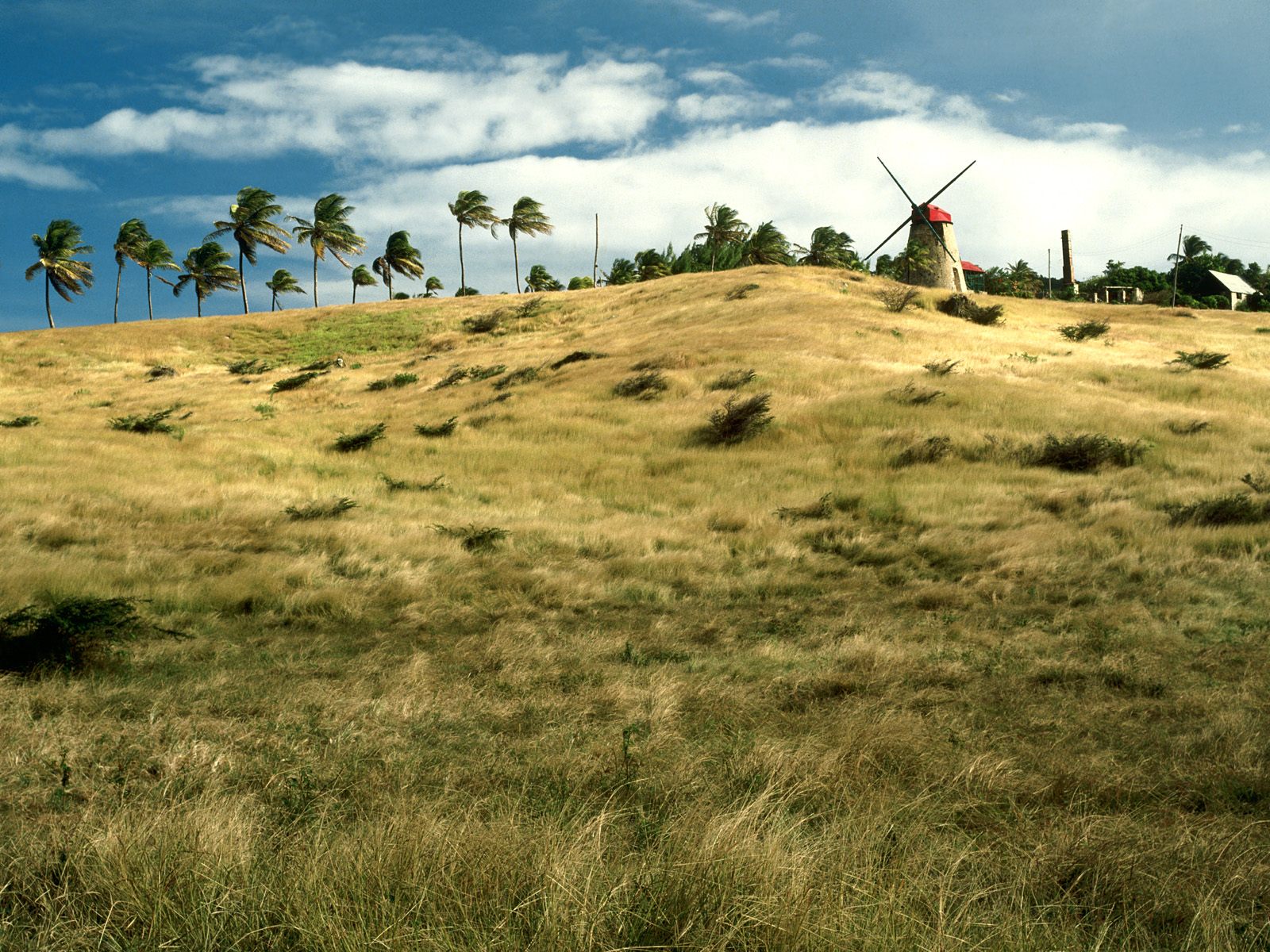
Barbados was created by 2 islands smashing together in the year 43,262,684 B.C. But that’s fairly old news. This just in: the easternmost Caribbean nation is a buzzing power plant of music. This is largely owing to a stable economy (tourists!), and a proliferation of recording studios since independence from the British nearly 50 years ago. Still, considering the island’s population is barely a quarter million, there’s something mysterious about the sheer number of funkin’ bands making interesting songs. But Barbados also benefits from strong siblings that speak their language; Jamaican ska and Trinidadian calypso were wildly popular in the region, and by the 1960s Barbadians had melded these with local Creole (Bajan) to create a style called spouge music. It’s heavy on the cowbell:
Another great element of Bajan music is the constant stream of whimsical lyrics, which is true to the spirit of calypso. In Barbados, the juxtaposition of African ancestry with British customs makes for endless zanity. In this track, calypso legend Mighty Gabby (he has been Calypso Monarch of Barbados 7 times, spanning 42 years!) sings about his futile attempt to impress a girl in a game of cricket:
Beautiful music is always right around the corner– or hiding in the remote foothills of Central Asia. This week we travel to Kyrgyzstan and discover a surprisingly rich feast of sounds. Virtuosic vocals, komuz shredding, jaw harp harmonies, folkloric metal, dark hip hop, bebop, and mucho more! Listen and ye shall agree: Kyrgyz got soul power!
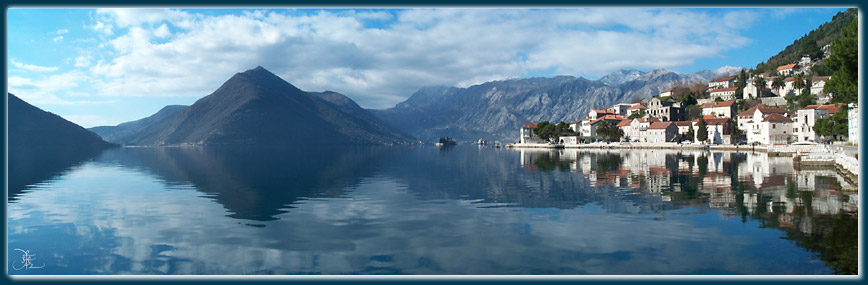
This week we visit the 3rd youngest country on Earth, and also one of the smallest (born prematurely, or perhaps Serbia smoked during pregnancy) … Montenegro! It’s still a mystery why the place is called ‘Black Mountain’, or why the rest of the world still uses the Italian name (real name: Crna Gora). No matter, we have come for the music!
Montenegro as a nation-state is barely 7 years old, but the coastal Balkan nation has a discrete history that extends to a time well before its incorporation into the former Yugoslavia– heck, they even had a king. It’s a bit complex (brain-draining) to get into the specifics of nationhood and identity, so let’s just say that the borders have changed but the musical masters have stayed. Therefore, we shall not confine our soundsplash to post-2006 independence. We would miss the formative years of Rambo Amadeus!
¡Música! It will manifest inner strength and help transcend troubles of the material world. In the case of Guinea-Bissau, a small, perpetually politically-handicapped nation of only 1.5 million humans, the odds against a music industry’s very existence have been overwhelming. ((Manecas Costa’s Paraiso di Gumbe (2003) is considered the first album recorded in the country. Before then, Bissau-Guineans mostly recorded in Portugal, and neighboring countries Sénégal and Guinea))
Despite the hardships that the people have faced since independence from Portugal in 1974, Bissau-Guineans have created beautiful, culture-unifying music to express their quest for shared emancipation. Some of the most exceptional music came out of the push for nationhood, as bands such as Super Mama Djombo provided the soundtrack for revolution.
This week’s program features nearly an hour of music spanning the first four decades of Guinea-Bissau’s existence. The groups display many different degrees of blending between Portuguese and ethnic African influences (chiefly Mandinga and Fula). I hope you hear something that moves you.


 WANDERING RHYTHMS RADIO